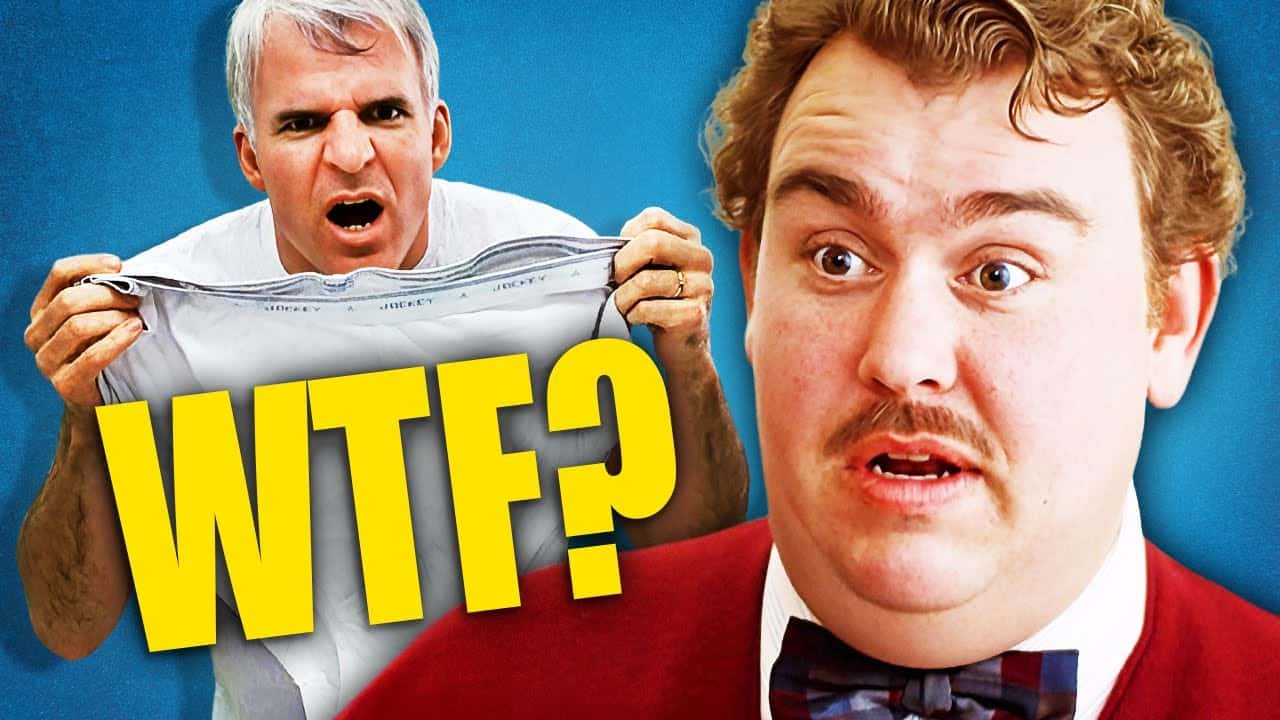
Why Planes, Trains & Automobiles Is the Ultimate Thanksgiving Movie
There are two scenes in the iconic holiday road-trip comedy Planes, Trains & Automobiles that are so funny, so sharply written, and so memorable that Steve Martin agreed to do the movie after reading only those pages. And thank goodness he did, because Martin and John Candy became one of the funniest comedy duos of the 1980s. This movie is a big reason why—and it remains one of the most beloved Thanksgiving films ever made.
How John Hughes’ Nightmare Travel Became a Classic
In 1985, writer-director John Hughes endured a disastrous Thanksgiving travel experience: rerouted flights, delays, cancellations, and a desperate attempt to make it home on time. But instead of just stewing in frustration, Hughes saw the comedy in the chaos. He imagined what would happen if he were stuck in that situation with a complete stranger—and all the trouble the two might cause each other.
By 1987, that misery-turned-inspiration became Planes, Trains & Automobiles. A comedy. A holiday staple. And ultimately, a classic.
The Story: Neal Page Meets Del Griffith
The film follows marketing executive Neal Page (Steve Martin), who is desperately trying to get from New York to Chicago to spend Thanksgiving with his family. Along the way, he crosses paths with Del Griffith (John Candy), a talkative, blue-collar shower-curtain-ring salesman who’s heading to Chicago for reasons not revealed until later.
Their trip turns into a gauntlet of:
flight delays
stolen wallets
burned-down cars
filthy motel rooms
and a growing list of disasters
All made funnier by one very important detail: Neal and Del do not like each other.
Like Tommy Boy, Dumb and Dumber, and Hughes’ own Vacation, the characters are the fuel for the comedy. John Candy’s sweetness and obliviousness constantly collide with Steve Martin’s escalating rage—and the contrast is timeless.
The Two Scenes That Hooked Steve Martin
After Hughes finished the script (the original cut ran nearly four hours!), Martin said two scenes made the role irresistible:
1. The Car-Seat Meltdown
Del constantly fiddling with the seat in the cramped rental car had Martin laughing out loud as he read it. Candy’s physical comedy inside that tiny vehicle is priceless.
2. The Legendary F-Bomb Tirade
Then there’s the famous counter-scene with Edie McClurg, in which Neal unloads a rapid-fire string of F-bombs after days of travel hell. Martin asked Hughes if he could improvise—Hughes said yes—and he and McClurg bounced profanity back and forth trying not to break. McClurg even improvised her one-sided phone conversation, which made the final cut because it was so authentic.
In just 60 seconds, the scene drops 19 F-bombs—one of the most famous profanity runs in movie history. Fans still ask McClurg to say her immortal two-word line: “You’re fucked.”
Martin & Candy: A Real Friendship
Steve Martin and John Candy were already friends before filming, but both later said this was their favorite movie they ever made. That’s right—Steve Martin believes this is his best film, and John Candy felt the same.
Fun sidenote: Kevin Bacon’s cameo—racing Martin for a cab—was just a quick, throwaway bit at the time. Now, it’s a quirky piece of movie history.
The Massive Original Cut
Hughes didn’t just write a long script—he shot an absurd amount of footage. Nearly 600,000 feet of film, the equivalent of about 110 hours of material. The goal was to show every layer of Neal and Del’s developing connection.
Entire subplots were removed, including one where Neal’s wife suspects he’s having an affair. Hughes later felt it distracted from the emotional core (you can see an hour’s worth of deleted scenes on the 4K edition).
The Emotional Reveal That Redefined the Movie
More than halfway through the film, we learn Del’s heartbreaking secret:
His wife—the woman he talks about nonstop—is dead, and has been for years. His “home base”? It doesn’t exist. Del is living out of his trunk, drifting from city to city.
Suddenly, the movie isn’t just a comedy—it’s a reminder of how many people are quietly alone during the holidays. Neal realizes that he never offered Del a shred of companionship during their journey and made a deeply lonely man feel even lonelier.
Even as a kid, that reveal hit hard. It still does.
By the end, Neal invites Del to spend Thanksgiving with his family—a moment that gives the film its emotional resonance.
Steve Martin later said this about John Candy:
“He was a very sweet guy… always friendly, always outgoing. But I could tell he had a little broken heart in him.”
You can feel that in the movie.
Fun Trivia You Can Bring to Thanksgiving
The plane exterior shot is recycled from Airplane!—Paramount owned both films and reused the footage.
Dylan Baker’s disgusting spit-handshake? Completely improvised, and Martin’s reaction is real.
The movie ends on almost the same freeze-frame shot as Uncle Buck.
The movie earned more than triple its budget and has become a permanent Thanksgiving favorite.
Legacy
Through re-releases, special editions, and annual holiday airings, Planes, Trains & Automobiles has become the definitive Thanksgiving comedy. Hughes’ unique blend of physical humor, relatable frustration, and heartfelt emotion gives the movie staying power no remake could touch.
It’s a reminder of why Steve Martin and John Candy remain icons—and why John Hughes’ work still resonates.
And that’s the story of Planes, Trains & Automobiles—a warm, hilarious, perfectly cast holiday classic that still brings people together.
Happy Thanksgiving, y’all. Gobble gobble.
The post Why Planes, Trains & Automobiles Is the Ultimate Thanksgiving Movie appeared first on JoBlo.