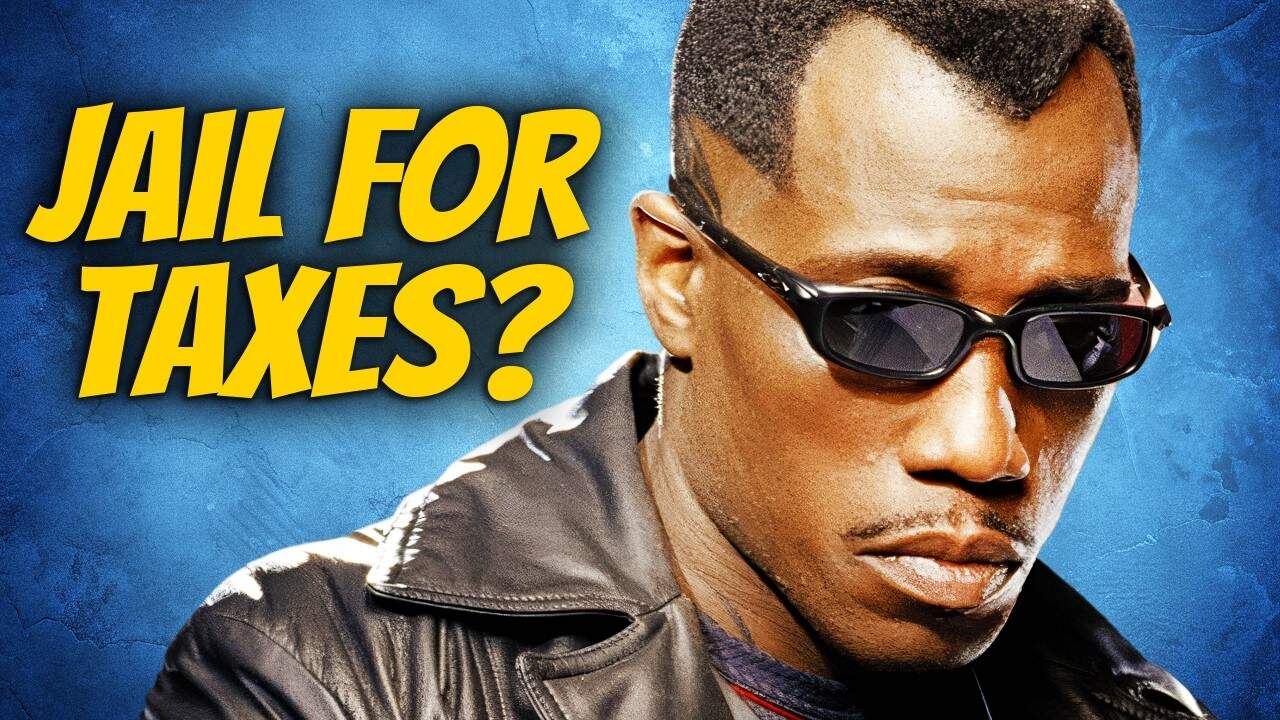
How Wesley Snipes Went From Hollywood to Federal Prison — but came out cooler than ever
Those of us plugged into the celebrity zeitgeist in early 2007 were stunned to learn that beloved actor Wesley Snipes—yes, Blade himself—was being charged in a federal tax evasion case. A year later, the shock deepened when he was convicted and sentenced to three years in prison.
A wealthy Hollywood star actually serving federal time? In that America?
Many assumed the verdict would be softened through appeals or celebrity intervention. Yet in December 2010, despite personal pleas from Woody Harrelson and Denzel Washington, Snipes surrendered to authorities and reported to a federal institution. In doing so, the public was forced to confront a sobering idea Snipes himself later articulated in a 2017 ABC interview: that fame does not grant the ability to “move through life without consequences.”
Why the Timing of the Snipes Conviction Mattered
The case landed at the height of 2007’s tabloid chaos. Paris Hilton served jail time for violating probation after a DUI. Lindsay Lohan racked up arrests. Britney Spears’ public breakdown would soon lead to a 13-year conservatorship.
But these scandals followed a familiar celebrity arc: public mess, brief punishment, image rehab.
Tax evasion was different. It was seen as a white-collar issue handled quietly by accountants and lawyers—not something that sent movie stars to prison. Snipes shattered that illusion.
What Made Wesley Snipes’ Tax Case Unusual
Snipes’ conviction wasn’t about carelessness or ignorance. It was ideological.
He became deeply involved with American Rights Litigators, an organization dedicated to delegitimizing the IRS. Influenced by so-called “constitutional taxation” theories tied to the broader tax protester and sovereign citizen movements, Snipes went far beyond failing to file returns.
According to prosecutors, his actions included:
Submitting amended tax returns demanding $7 million in refunds
Refusing to withhold payroll taxes for employees
Hosting seminars at his home pressuring staff to comply with anti-IRS beliefs
The group’s founder, Eddie Ray Kahn, had built a network of roughly 4,000 paying members before the Snipes case collapsed the operation. Kahn ultimately received a 20-year sentence for conspiracy and wire fraud—far longer than Snipes’ own.
Where Wesley Snipes Served His Prison Sentence
Snipes reported to Federal Correctional Institution McKean, a minimum-security satellite camp often nicknamed “Club Fed” or “McKean the Dream.”
The facility houses non-violent, white-collar offenders and operates largely on an “honor system,” with no perimeter fence. Inmates live dormitory-style and are trusted not to flee.
Daily life included:
A 6:35 a.m. wake-up call
Mandatory headcounts (sometimes overnight)
Assigned labor by 8 a.m.
Wages averaging 25 cents per hour
Commissary spending capped at $290 per month
Phone access limited to 300 minutes per month
The food exceeded prison stereotypes, accommodating religious and dietary needs. Still, Snipes has said the hardest part of incarceration was being separated from his family—particularly given the lack of conjugal visits.
Was “Club Fed” Really Easy Time?
While FCI McKean is widely considered one of the least punitive federal facilities, it was still prison. Snipes ultimately served 28 months before being released to house arrest in April 2013.
The irony of minimum-security incarceration wasn’t lost on observers: many inmates had once earned more annually than their guards. The environment was often compared less to Orange Is the New Black and more to Office Space—albeit with khaki jumpsuits, random counts, and no exits.
The Broader Impact of the Snipes Conviction
Snipes’ sentence sent shockwaves well beyond Hollywood:
Celebrity accountants reported a surge in clients requesting tax reviews
The IRS scored a rare public-relations win, proving enforcement could reach the rich and famous
Ironically, criminal enforcement budgets were later cut, reducing scrutiny of wealthy offenders
In many ways, the lesson was learned—then partially unlearned.
Wesley Snipes’ Career After Prison
Upon release, Snipes received numerous offers to play incarcerated characters. He declined most, unwilling to let prison define his career.
A notable exception was The Expendables 3 (2014), which leaned directly into the meta joke—featuring Snipes being broken out of prison and deadpanning the reason: “Tax evasion.”
In 2024, Snipes completed an unlikely redemption arc by reprising Blade in Deadpool & Wolverine, staking his claim—very publicly—as the original Daywalker. The moment was self-aware, defiant, and oddly perfect.
The Legacy of Wesley Snipes’ Prison Sentence
Snipes’ story now feels inherently meta: a star who once seemed untouchable, forced into accountability, and ultimately reclaimed his iconography without pretending the fall never happened.
Like Blade himself, he walks between two worlds—punished, but not erased.
And whether or not one believes taxation is theft (or the real crime), the Snipes case remains a rare moment when celebrity privilege hit a hard limit—and stuck.
The post How Wesley Snipes Went From Hollywood to Federal Prison — but came out cooler than ever appeared first on JoBlo.