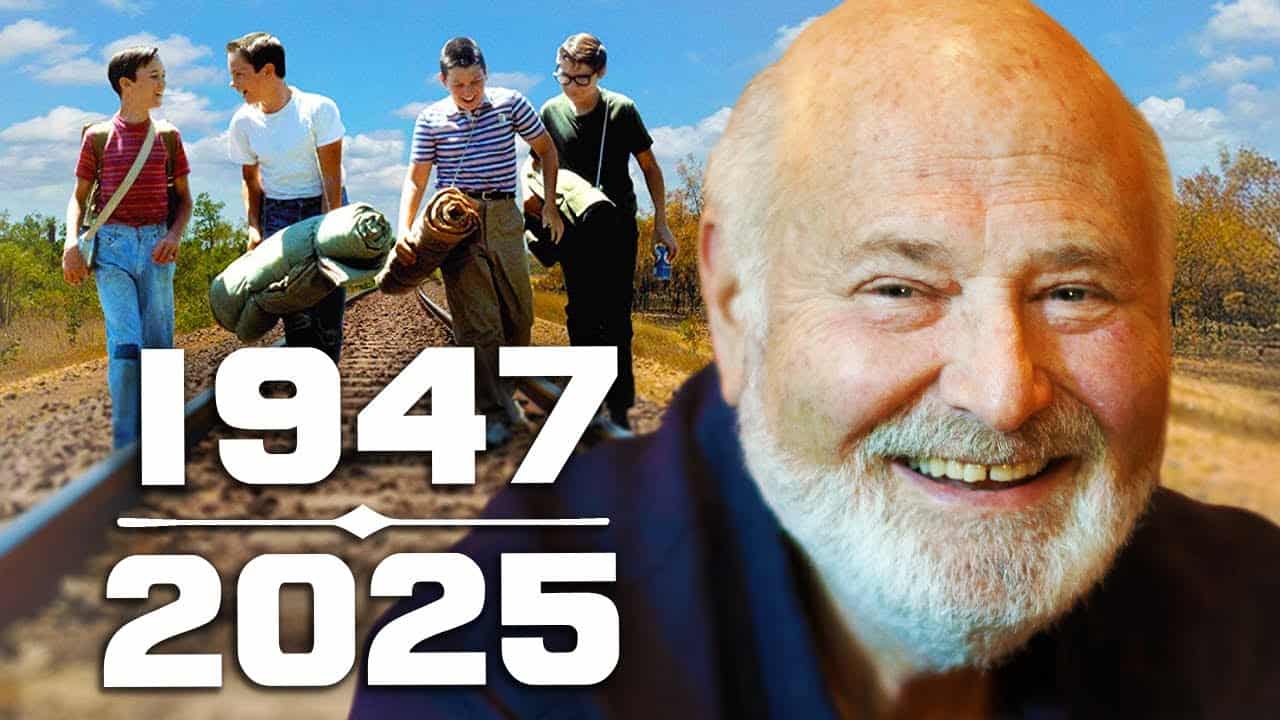
Stand By Me: Remembering Rob Reiner with (perhaps) his greatest film
A Different Way to Remember Rob Reiner
In a year already packed with the passing of more icons than could ever be imagined, one of the cruelest twists of fate has been the brutal slaying of director Rob Reiner and his wife, Michelle. The circumstances of their deaths—which resulted in the arrest of their son, Nick Reiner—are grisly, and what makes them especially cruel is that when people think of Reiner now, many will associate him with the horrific way he died rather than the extraordinary work he left behind.
We don’t think that’s right.
At a time when attention has become fixated on the circumstances surrounding his death, it feels more meaningful to focus on Reiner’s legacy—particularly Stand by Me, one of the most compassionate and enduring films ever made about childhood.
What Is Stand by Me About?
Based on Stephen King’s short story The Body, Stand by Me follows four boys over Labor Day weekend in 1959 as they set out to find the dead body of a missing child. While the premise sounds grim, the film is less about death than it is about growing up—and the moment when childhood innocence quietly slips away.
Unlike many kid-centered films of the era, Stand by Me was never meant for kids. Rob Reiner aimed for realism rather than fantasy, pushing for an R rating and refusing to sanitize how children actually talked, behaved, and processed trauma. The kids swear, argue, lie, and lash out—not like adults, but like real children.
That authenticity is exactly why the film resonated so deeply.
Why the Film’s 1959 Setting Matters
Stand by Me arrived during a period when many filmmakers were revisiting their youth, but Reiner’s film stands apart. Set in 1959—the final year of the “safe” suburban fifties—it captures the calm before the social upheaval of the 1960s.
It’s a world where children are still naïve about the dangers ahead, yet the film’s epilogue makes it painfully clear that not all of them will survive adulthood unscathed. The innocence on display is temporary, and Reiner never lets the audience forget that.
Rob Reiner’s Unmatched Directorial Run
Stand by Me launched one of the greatest directing streaks in film history. Reiner followed it with:
The Princess Bride
When Harry Met Sally…
Misery
A Few Good Men
Few directors can match that run—but even among those classics, Stand by Me feels like Reiner’s most personal and emotionally resonant film.
Why the Characters Feel So Real
The film is narrated by Richard Dreyfuss as the adult Gordie Lachance, portrayed as a child by Wil Wheaton. Gordie is an aspiring writer whose father doesn’t understand him, made worse by the death of his older brother—who once believed in him.
His closest friend is Chris Chambers, played by River Phoenix. Branded a delinquent because of his family’s reputation, Chris is gentle, intelligent, and deeply moral. Phoenix’s performance—often cited as one of the greatest child performances ever—became a defining moment of his career.
They’re joined by:
Teddy Duchamp (Corey Feldman), traumatized by an abusive father
Vern Tessio (Jerry O’Connell), the anxious, comic heart of the group
Ace Merrill (Kiefer Sutherland), the embodiment of looming adult cruelty
Each boy feels lived-in, flawed, and painfully believable.
Rob Reiner’s Approach to Directing Children
Reiner’s background as an actor made him especially attentive to the emotional well-being of his young cast. He never shouted or manipulated performances. When River Phoenix needed to cry, Reiner quietly asked him to recall a moment when an adult truly let him down. The tears came naturally.
Even small details were handled with care. The kids smoke in the movie, but Reiner refused to let them use real cigarettes—the props were made from cabbage leaves.
The Film’s Most Powerful Moment
When the boys finally discover Ray Brower’s body, the film rejects sensationalism. Instead of celebrating the discovery, Gordie and Chris protect the body’s dignity—even if it means standing up to Ace’s gang. Gordie’s confrontation with Ace, gun in hand, is one of the most startling and emotionally honest moments in 1980s cinema.
It’s a scene few films would dare attempt today.
Why Stand by Me Is Even Sadder Now
The film’s closing narration reveals that Chris Chambers died young after being stabbed while trying to break up a fight. Knowing that River Phoenix himself died young—and now considering the tragic circumstances of Rob Reiner’s death—Stand by Me has transformed from a bittersweet memory piece into something devastatingly profound.
What was once a lightly melancholic reflection on lost youth now carries an unbearable weight.
Legacy, Box Office, and Cultural Impact
Audiences embraced the film upon release. Stand by Me earned over $52 million domestically, an enormous success for an R-rated coming-of-age drama. It also revived Ben E. King’s title song, pushing it back onto the charts more than twenty-five years after its original release.
Despite the R rating, it became a formative movie for younger audiences, many of whom watched it with parents who understood that not all stories about childhood are meant to be gentle.
Final Thought: Why Stand by Me Endures
Rob Reiner was never pigeonholed after Stand by Me, but it remains the clearest expression of his compassion as a filmmaker. It understands children without patronizing them and respects their emotional intelligence in a way few films ever have.
It’s a movie worth revisiting—but perhaps not immediately. Some films hit harder with time, and Stand by Me now carries the weight of everything that came after it.
That’s why Stephen King trusted Rob Reiner with his work more than anyone else—and why this film will endure long after the noise fades.
The post Stand By Me: Remembering Rob Reiner with (perhaps) his greatest film appeared first on JoBlo.