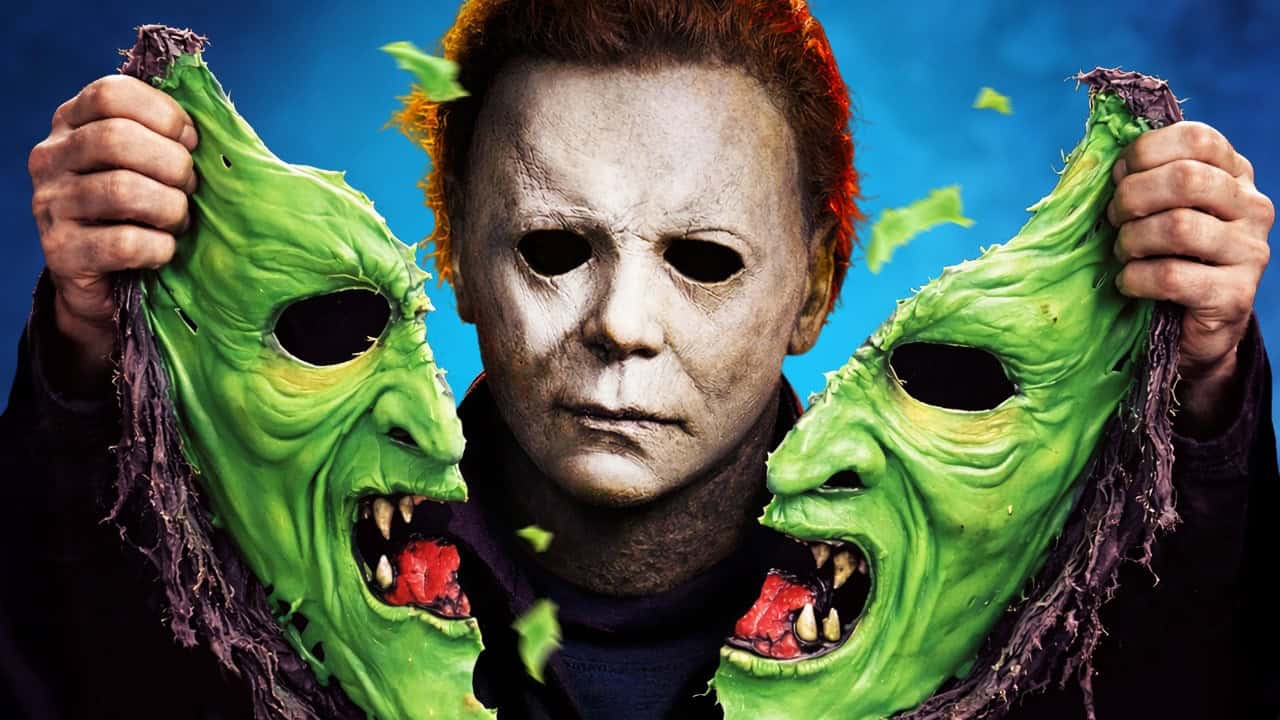
Halloween Franchise: Every Moment That Almost Killed the Series
With 13 movies spanning nearly 50 years, the Halloween franchise is just as hard to kill as its heavy-breathing masked killer. But it’s also a series that has often survived in spite of itself, repeatedly coming dangerously close to collapse. Who’s to blame?
Original creator John Carpenter?
The Akkad family and their strict rules about Michael Myers?
Characters like Corey Cunningham?
Filmmakers like Rob Zombie?
The truth is: it’s a mix of all of them. This isn’t a traditional franchise you binge in order like Marvel or Star Wars. Halloween works better as a choose-your-own-adventure buffet. Pick your timeline, ignore the rest. But across those timelines, there are specific moments that nearly killed the series entirely.
The Movies That Get a Pass
Before diving into the chaos, let’s acknowledge the entries that didn’t actively damage the franchise.
Halloween (1978)
A near-perfect horror film. A masterclass in tension, music, and low-budget filmmaking. It could have remained a standalone classic.
Halloween 4: The Return of Michael Myers (1988)
A strong sequel that brought Michael back successfully and introduced Jamie Lloyd without derailing the franchise… yet.
Halloween H20: 20 Years Later (1998)
A solid early legacy sequel. Not perfect, but effective, and it brought Jamie Lee Curtis back in a meaningful way.
Halloween (2018)
A modern revival that worked best as a standalone sequel. Its success, however, would lead to bigger problems later.
Halloween: The Curse of Michael Myers (1995)
Gets a warning, not a conviction. Messy, confusing, but ambitious, and notable for featuring Paul Rudd and Donald Pleasance’s final performance.
1. Halloween II (1981): The Sibling Twist
On the surface, Halloween II is a solid slasher sequel with more kills, faster pacing, and a darker tone. But it introduced one of the most damaging ideas in the franchise:
Laurie Strode is Michael Myers’ sister.
This decision:
Removed the randomness that made Michael terrifying
Turned him into a goal-driven killer instead of pure evil
Created decades of convoluted storytelling
Even John Carpenter later admitted the twist was a mistake. This single decision shaped and arguably weakened the franchise for years.
2. Halloween III: Season of the Witch (1982): The Anthology Gamble
As a standalone film, Halloween III is creative, creepy, and bold. But as a Halloween movie? It was a disaster.
Carpenter’s idea:
Turn the franchise into an anthology series
New story every year, same Halloween theme
The problem:
Audiences didn’t want variety, they wanted Michael Myers.
The result:
Confused audiences
Box office disappointment
Franchise went dormant for 6 years
Ironically, the film is now a cult favorite. But at the time, it nearly ended everything.
3. Halloween 5: The Revenge of Michael Myers (1989): Creative Collapse
This is where things truly spiral. Behind-the-scenes chaos led to:
Multiple rewrites
Conflicting creative visions
A director who drastically altered the story
Key issues:
Telepathic link between Jamie and Michael
Humanizing Michael (including a tearful moment)
A nonsensical “Man in Black” ending
Worst of all:
There was no plan for what came next.
Halloween 5 didn’t just hurt the franchise, it forced Halloween 6 to scramble for answers.
4. Halloween: Resurrection (2002): The Breaking Point
After the success of H20, expectations were high. Then came Resurrection.
Major problems:
Undoing H20’s ending with a body swap twist
Reality TV / found-footage concept executed poorly
Misuse of Laurie Strode
Tone that leaned into parody
And yes:
Busta Rhymes fighting Michael Myers.
The result:
Critical failure
Box office drop
Franchise effectively “dead”
This was the moment the original timeline collapsed.
5. Rob Zombie’s Halloween (2007–2009): Over-Explaining Evil
Rob Zombie’s reboot took a bold approach:
Explored Michael’s childhood in detail
Kept the sibling storyline
Turned Michael into a more physically imposing figure
The issue:
It explained too much.
Michael Myers works best as pure, unknowable evil. By humanizing him, the films stripped away his mystique.
Then Halloween II (2009) went even further:
Surreal imagery
Ghost visions
A talking Michael
The result:
Divisive reception
Franchise put on hold for nearly a decade
6. Halloween Kills (2021): “Evil Dies Tonight”
Following the success of Halloween (2018), the sequel aimed bigger and stumbled. Problems included:
Repetitive mob mentality themes
Over-the-top dialogue
Making Michael effectively supernatural
The infamous chant:
“Evil dies tonight”
It became symbolic of the film’s lack of subtlety. Still, the film is watchable as chaotic fun, but it set up bigger issues.
7. Halloween Ends (2022): Corey Cunningham
This is the most controversial decision in the franchise’s history. Instead of focusing on Michael:
Introduces Corey Cunningham as a new killer
Shifts the narrative away from Laurie vs. Michael
Reduces Michael to a secondary role
The risks:
Audiences didn’t connect with Corey
The final chapter felt disconnected
The trilogy lost focus
Yes, Michael is finally killed, but it doesn’t feel earned.
Final Thoughts: Why Halloween Survived
Despite all of this, the Halloween franchise is still alive. Why? Because Michael Myers represents something bigger:
Fear without reason
Evil without explanation
A horror icon that keeps evolving
Even when the series nearly destroys itself, it finds a way back. And it will again.
From sibling twists to anthology experiments, from reality TV gimmicks to misguided reboots, Halloween has survived more near-death experiences than any horror franchise should. But that’s also what makes it fascinating. This isn’t a clean timeline, it’s a patchwork of ideas, risks, and recoveries. And somehow, it still works.
The post Halloween Franchise: Every Moment That Almost Killed the Series appeared first on JoBlo.